
The Curiosity Compass: Choosing Destinations Based on Wonder, Not Popularity
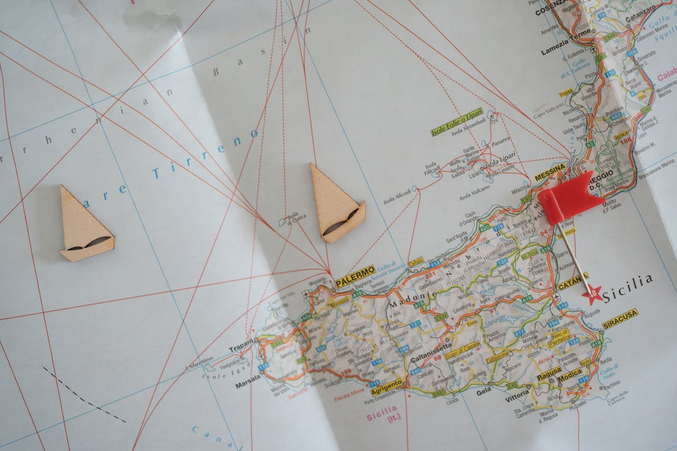
When planning a trip, it’s easy to default to the “popular” destinations—the ones everyone posts on social media or raves about in travel guides. But travel is at its best when it sparks curiosity, evokes wonder, and offers personal discovery. The Curiosity Compass is about choosing destinations not because they’re trendy, but because they intrigue you. When you travel guided by fascination rather than popularity, every journey becomes an adventure uniquely tailored to your interests, leaving lasting memories that are far more meaningful than a crowded photo spot ever could.
Follow What Intrigues You
Curiosity begins with noticing what excites your mind. Perhaps it’s a centuries-old library, a remote mountain village, or a hidden street art scene in an unexpected city. By paying attention to what sparks your interest, you can uncover destinations that align with your personal sense of wonder. Traveling to a place simply because it piques your curiosity transforms the trip into a journey of exploration rather than a checklist of must-see landmarks.
Step Off the Beaten Path

Popular destinations often come with crowds, long lines, and a sense of sameness. Choosing less-traveled locales allows you to experience a place more authentically. Wandering through small towns, local markets, or natural reserves that don’t dominate guidebooks lets you encounter the culture, food, and scenery in ways few others do. These hidden corners of the world often provide richer stories, deeper connections with locals, and more freedom to explore at your own pace.
Seek Experiences Over Sights
While famous landmarks are tempting, curiosity-driven travel emphasizes experiences over photo ops. Participate in a traditional cooking class, hike an unexplored trail, or attend a local festival you never knew existed. These experiences reveal the character of a place and create lasting memories that transcend the usual tourist attractions. When the focus shifts from “seeing it all” to truly engaging with the environment, travel becomes a journey of learning and connection.
Let Your Interests Guide Logistics

Practical details—like transportation, accommodations, or timing—should complement your curiosity rather than dictate it. If a remote village fascinates you, consider adjusting travel dates or routes to make it accessible. If you love art or history, seek locations with unique museums or cultural practices, even if they aren’t widely advertised. Planning with curiosity at the center ensures that every step of your journey feels purposeful and aligned with your passions, rather than simply convenient.
Embrace the Unexpected
Curiosity-driven travel is inherently open to surprises. Serendipitous detours, unplanned encounters, and unexpected discoveries often become the most cherished memories. Allowing yourself to explore spontaneously, follow tips from locals, or wander without a strict itinerary keeps the sense of wonder alive. These unpredictable moments remind you that travel is not just about the destination—it’s about how you engage with the world along the way.
The Curiosity Compass encourages travelers to prioritize wonder over popularity, curiosity over conformity. By choosing destinations that intrigue you, stepping off the beaten path, seeking immersive experiences, aligning logistics with interests, and embracing the unexpected, every journey becomes a unique adventure. Following this approach transforms travel from a routine checklist into a personal exploration, fostering deeper connections with the world and leaving you with stories and memories that are truly one-of-a-kind. Choosing destinations with curiosity as your guide ensures that your adventures are not just seen—they’re felt.… Read More

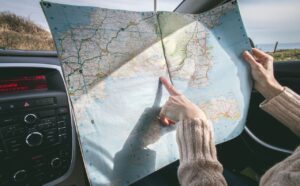 One of the most exciting parts of planning a road trip is deciding on your route and budget. The possibilities are endless, but it’s important to keep in mind that every mile comes with a cost. First, consider the time you have for your trip and the distance you want to cover each day. Map out potential stops along the way, whether it’s scenic overlooks or bustling cities. You and your friends or family must agree on where you are headed. If you want to ensure that you have a great experience, check the grand canyon tours from las vegas.
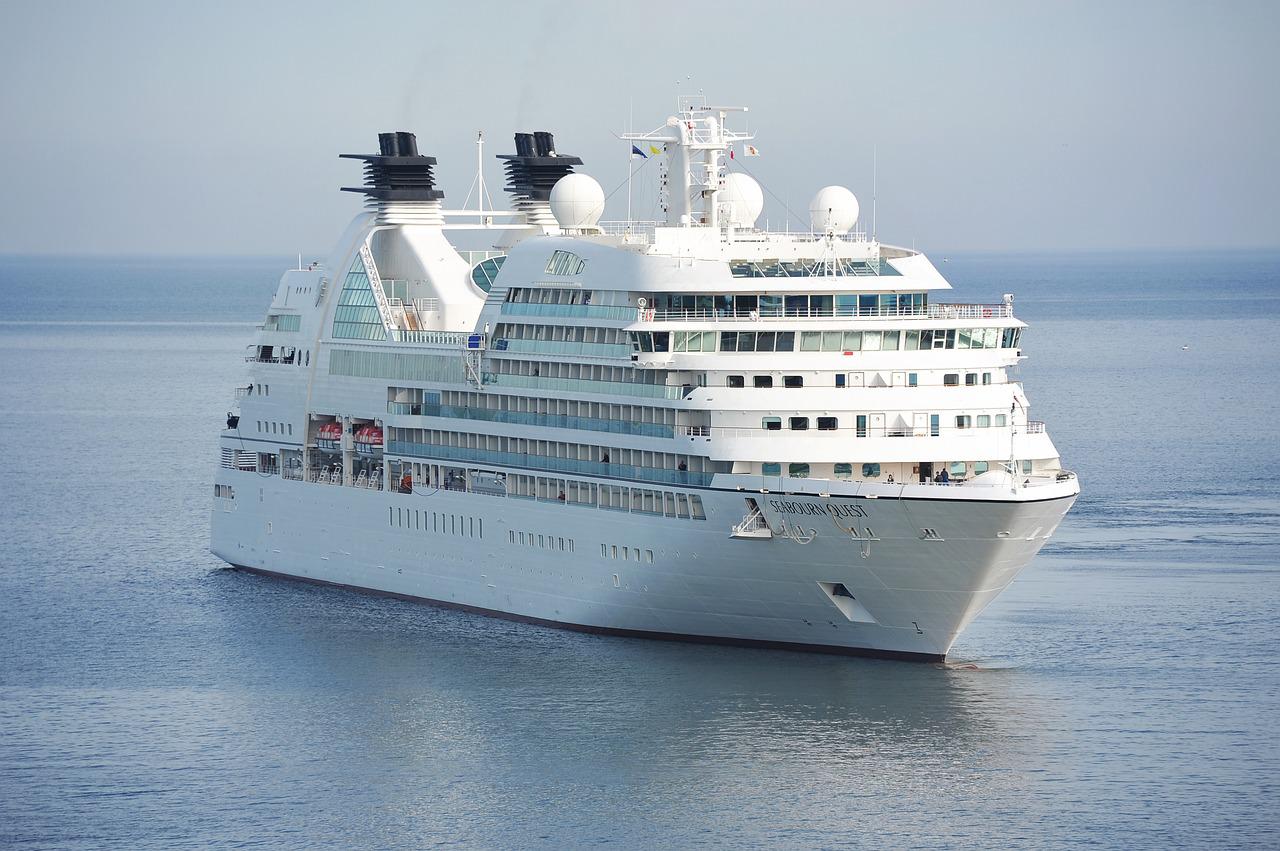
 If driving to the port, make sure to factor in traffic and construction. It’s better to arrive a day early and have some time to relax before your cruise than to be stressed out trying to make it on time. If you’re flying, consider booking a flight that arrives the day before your cruise. This way, if there are any delays, you won’t miss your cruise. And it’s actually for good reasons. For example, it will allow you time to explore the area and familiarize yourself with your surroundings. If you’re driving, it will also give you time to rest before your cruise.
 If you’re taking a cruise mainly to relax, you can skip this tip. But if you want to stay active on your cruise, you should sign up for activities in advance. Many cruise ships offer classes and workshops, such as cooking classes, dance classes, and wine tastings. These activities usually fill up quickly, so it’s best to sign up as soon as you board the ship. You can generally do this at the guest services desk. All in all, following these tips, will help you make the most of your cruise experience.